Live Dental Webinars
(Showing Next 5 Upcoming)

|
 Light, Bond, Restore: Optimizing Adhesives, Composites, and Curing Protocols for Long-Term Clinical Success
Presenter: Dr. Sam Simos
Sponsor: Premier Dental
| Thu |
11/19/26 |
7:00 PM ET
4:00 PM PT
|
| Fri |
11/20/26 |
0:00 AM UTC
|
|
CE Credits: 1 Interactive CEU
|
|
Successful direct restorations require more than selecting a composite and placing it into a preparation. Long-term clinical success is dependent upon understanding the complex relationship between adhesive systems, restorative materials, and light-curing technology. Advances in universal adhesives, bulk-fill and nanohybrid composites, antimicrobial restorative materials, and high-output LED curing lights have provided clinicians with powerful tools to improve efficiency and predictability. However, improper material selection or curing protocols can compromise polymerization, bond durability, marginal integrity, esthetics, and restoration longevity.
This evidence-based CE webinar reviews the science behind contemporary adhesive dentistry and composite placement while providing practical clinical protocols that can be immediately implemented in everyday practice. Through clinical cases, current research, and real-world restorative workflows, participants will learn how to maximize restorative performance by optimizing the interaction between adhesives, composites, and curing lights.

|
Pre-Endodontic Restoration: Keys to Long-Term Success
Presenter: Dr. Alejandra Darras Saavedra
Sponsor: VOCO America
| Mon |
11/23/26 |
7:00 PM ET
4:00 PM PT
|
| Tue |
11/24/26 |
0:00 AM UTC
|
|
CE Credits: 1 Interactive CEU
|
|
Successful endodontic treatment begins long before canal instrumentation. Managing structurally compromised teeth requires careful restorative planning before root canal treatment begins. This CE webinar will present a practical, evidence-based approach to pre-endodontic restoration, focusing on adhesive strategies, isolation, sealing, and management of the remaining tooth structure to improve treatment predictability and long-term outcomes, illustrated with clinical cases.
|
Direct Composite in the Esthetic Zone: A Clinical Panel Comparing Freehand with Guided Matrix Techniques
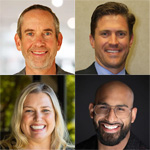
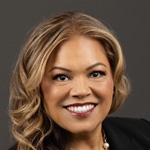
Presenter: Dr. Klein, Dr. Hodges, Dr. DiMariano , Dr. Virdi
Sponsor: Solventum (formerly 3M Health Care)
| Tue |
11/24/26 |
7:00 PM ET
4:00 PM PT
|
| Wed |
11/25/26 |
0:00 AM UTC
|
|
CE Credits: 1 Interactive CEU
|
|
Patients increasingly ask for smile enhancement that is conservative, affordable, and natural-looking. For many anterior cases, direct composite is the first option clinicians consider. This live panel will be moderated by Dr. Phil Klein, host of the Dr. Phil Klein Dental Podcast. His guests include three clinicians with a practice focus on cosmetic dentistry. Emphasis will be placed on comparing freehand layering with guided matrix and injection-molded composite techniques. The panel will also address how clinicians decide between direct composite and indirect ceramic restorations.
Topics include case selection, shade selection and optical properties, chair time, and how to present direct composite options to patients so that they understand the tradeoffs. The webinar ends with a live Q&A where attendees can submit their own questions to the panelists.
|
From Etiology to Esthetics: Diagnosing, Protecting, and Conservatively Restoring Class V Lesions
Presenter: Dr. Sheila Samaddar
Sponsor: Bisco
| Wed |
11/25/26 |
7:00 PM ET
4:00 PM PT
|
| Thu |
11/26/26 |
0:00 AM UTC
|
|
CE Credits: 1 Interactive CEU
|
|
Class V lesions are common, but successful treatment begins with understanding why the lesion developed, not simply restoring the visible defect. This clinically focused CE webinar explores the multifactorial etiology of cervical lesions, including tooth position, occlusal forces, parafunctional and chewing habits, erosion, abrasion, and the evolving understanding of the role of toothbrushing. Participants will learn a practical approach to deciding when to monitor, modify contributing factors, consider orthodontic alignment or protective appliances, and when to restore. When restorative treatment is indicated, we will review conservative adhesive techniques using restorative materials, when extensive wear or structural compromise requires indirect restoration. The guiding principle: Treat the lesion, not just the defect.

|
To Remove or Retain? Smart Excavation Protocols and Vital Pulp Management
Presenter: Dr. Art Kevin de Leon
Sponsor: VOCO America
| Mon |
11/30/26 |
7:00 PM ET
4:00 PM PT
|
| Tue |
12/1/26 |
0:00 AM UTC
|
|
CE Credits: 1 Interactive CEU
|
|
Finding the sweet spot between complete caries removal and pulpal survival can feel like walking a tightrope. Remove too little, and you risk a weak bond interface or leaving a cytotoxic environment for the pulp; remove too much, and an accidental exposure sends the tooth down the root canal path. In this clinical CE webinar, we cut through the guesswork of deep caries management. You will learn step by step protocols for using caries detecting dyes to differentiate infected from affected dentin, ensuring maximum bond strength without compromising tooth vitality. Furthermore, we will address the unavoidable cases where deep pulp horns or extensive decay lead to pulp exposure. Moving past traditional calcium hydroxide techniques, we will explore how Mineral Trioxide Aggregate (MTA) revolutionized direct pulp capping and partial pulpotomies, turning potential root canal failures into predictable vital pulp successes.
Featured On-Demand CE Webinars
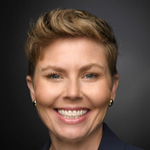
This comprehensive CE webinar explores the unique oral health challenges that arise during key hormonal phases in a woman's life: puberty, pregnancy, and menopause. Participants will gain insight into the biological mechanisms behind oral-systemic changes, identify gender-specific risk factors, and learn evidence-based strategies for prevention, treatment, and patient education. Emphasis is placed on interdisciplinary collaboration, lifespan oral health promotion, and culturally sensitive care for female patients.
We are 40 years since Professor Branemark introduced his research on osseointegration to the dental community. Dental Implants provide our patients with successful long-term restorative solutions for function, comfort, and aesthetics. Today, Dental Hygienists are seeing more patients with dental implants. Implant manufacturers have introduced new implant designs, surfaces, and surface chemistry that affect biocompatibility and maintenance protocols. There are concerns about what materials we use to reduce peri-implant inflammation, may negatively affect the implant surface's biocompatibility and the implant’s long-term success. This CE webinar will review dental implant component materials and design and the biological compatibility of commonly used instruments, technology, and therapeutic materials.
Bonding procedures that perform reliably in permanent teeth can be less predictable when applied to primary teeth. Many clinicians experience frustrations such as early sealant loss, marginal breakdown of pediatric restorations, and bonding failures that seem difficult to explain. Differences in enamel structure, dentin composition, and the clinical conditions commonly encountered in pediatric dentistry create unique challenges for achieving durable adhesion. As a result, clinicians often face issues such as reduced sealant retention, restoration failure, and sensitivity to moisture contamination during pediatric bonding procedures.
This CE webinar examines the structural and chemical differences between primary and permanent teeth and how those differences influence adhesive performance. Participants will review the science behind enamel etching, dentin bonding, and hybrid layer formation in primary teeth, along with practical strategies to improve bond reliability in everyday pediatric practice. The webinar will also explore common causes of bonding failure and practical techniques that help clinicians achieve more consistent outcomes. Real-world protocols will be discussed for managing moisture contamination, optimizing etch patterns, and selecting adhesive materials that support reliable bonding in young patients. Attendees will gain practical insights that can improve restoration longevity, enhance sealant retention, and reduce clinical frustration when bonding to primary teeth.
Featured Podcast Episodes
 Series: VOCO America
CE Credits: 0.5
Guest: Dr. Howard Glazer
|
Today we'll be talking to Dr. Howard Glazer. a knowledgeable, candid and entertaining dentist who has been practicing for 50 years! We'll touch on the high points of provisional materials, tissue retraction, lasers, handpieces, curing lights, and patient management tools. Dr. Howard Glazer is a Fellow and past president of the Academy of General Dentistry, an internationally known clinician, educator and author He publishes a bi-monthly column in Dental Economics entitled “I Have It…You Need It!” where he shares his opinion and experiences on materials, products and techniques that will make your day easier, more productive and rewarding. He maintains a general practice in Fort Lee, NJ.
 Series: Bisco
CE Credits: 0.5
Guest: Dr. Carla Cohn
|
From protective liners and indirect pulp caps that help shield the pulp from further damage, to direct pulp caps aimed at maintaining vitality, to pulpotomies and pulpectomies when deeper intervention is necessary—each approach plays a key role in managing pulpal health. So, how do we determine the best course of action? To tell us all about it is our guest is Dr. Carla Cohn. She is a general dentist, devoted solely to the practice of dentistry for children. She owns and operates Kids Sleep Dentistry Winnipeg, a private practice at Western Surgery Centre in Canada. Dr. Cohn has recently founded Lit Smile Academy, a continuing dental education company. With extensive teaching experience and numerous publications, she is recognized internationally for her contributions to continuing dental education.
Series: Bisco
CE Credits: 0.5
Guest: Dr. John Zalesky
|
Composite dentistry has changed dramatically over the past decade. We've gone from stocking dozens of shades and multiple classes of composites to universal composites, simplified adhesive systems, and new techniques that promise better results with less complexity. But are these advances really changing the way we practice? Is one universal composite enough for most clinical situations? Does composite warming actually improve outcomes? And could something as simple as your curing technique be the difference between a restoration that lasts for years—or one that fails prematurely? Dr. John Zalesky will help us separate the science from the marketing as we discuss today's universal composite restorative materials, the evolution of universal adhesives and selective etching and why one particular universal composite is generating so much attention. If you're looking to simplify your composite restorative workflow without sacrificing quality, you won't want to miss this conversation.








 From Bud to Blossom: Exploring the Oral-Systemic Link in Women’s Health